
Smart Tools for Tracking Glucose & Vitamin D at Home
Monitoring glucose and vitamin D from home is becoming routine in Canada, especially with 1 in 10 people living with diabetes or prediabetes and vitamin D deficiency rising from about 5% in summer to 13% in winter (StatCan). Teens and younger adults show some of the lowest levels nationwide, with 8% of Canadians fully deficient and another 10% borderline.
Below, we walk through the practical tools, from low-cost meters to rapid Vitamin D kits, that helped us understand our own readings without waiting for clinic appointments.
At-Home Glucose Tools That Fit Everyday Life
When people begin exploring glucose monitoring, the number of device options can feel overwhelming. There are simple low-cost glucose meters, more robust multi-use meters, modern systems that avoid finger pricks altogether, and everything in between.

#1 Low-Cost Blood Glucose Meters
These meters are often the first tool Canadians reach for. They’re simple, affordable, and widely available at pharmacies. In real daily use, the most important features are a clear display, a small required blood sample, quick results, and dependable access to compatible diabetes test strips.
Many people look at the meter’s price first, but the long-term cost comes from the blood glucose test strips. It’s common to compare prices and ask where to find the cheapest diabetic test strips in Canada, because costs vary significantly between brands and pharmacies. Some stores offer a free glucometer when you commit to their strips, which can help with budgeting as long as strip prices stay predictable.
#2 Durable Multi-Use Glucose Meters
Durable meters are meant for frequent testing. They tend to have sturdier casings, more intuitive buttons, and fewer strip-reading errors. People who test multiple times a day often prefer them because they feel like a reliable daily-use tool – something you keep close and can count on throughout the day.
#3 Test Strips
Test strips are what make any meter usable, and their condition directly affects accuracy. Strips degrade when exposed to moisture, extreme temperature, or long storage times, which is why expiry dates matter more than most people expect.
Buying in bulk only makes sense if you’re testing often enough to use them before expiry. When choosing a glucose meter Canada offers, you’re also choosing the specific brand of blood glucose test strips you’ll rely on long-term, so availability and pricing are part of the decision.
#4 Lancets & Lancing Devices
Modern lancing devices have improved significantly. Adjustable depth settings and smoother mechanisms reduce discomfort, making the daily process easier. What helps most is understanding how often to change a lancet needle, how to dispose of it safely, and which gauge feels the most comfortable.
Some people explore glucometers without needle alternatives because finger pricks can be frustrating over time. That interest naturally leads to sensor-based options like flash and continuous glucose monitoring.
#5 Flash Glucose Monitoring (isCGM)
Flash monitoring uses a small sensor placed under the skin, usually on the upper arm. You swipe a handheld reader or phone app over the sensor to view your reading. What users often appreciate is that it eliminates finger pricks and provides trend information – not just a single number. Watching glucose rise or fall after meals or exercise helps many people understand their body’s patterns more clearly.
#6 Real-Time Continuous Glucose Monitoring (rtCGM)
Real-time CGM is the most advanced home tool for monitoring blood glucose levels. It captures data 24/7 and sends alerts when levels drift too high or low. For people with unpredictable glucose swings, the constant feedback can prevent emergencies, especially during sleep. Many rtCGM systems also integrate with insulin pumps, building a more complete picture of daily glucose changes.
#7 Bluetooth Dongles & Digital Tracking Tools
Digital logging has changed how people interact with their glucose numbers. A Bluetooth dongle can attach to a traditional meter and transfer results to a phone, creating automatic logs, visual summaries, and reports that are easy to share with healthcare teams. Patterns that were hard to recall from memory become clearer when displayed week by week, making long-term decisions more informed.

Understanding Vitamin D From Home
Vitamin D is deeply tied to sunlight exposure, which is why Canadian winters create such sharp drops. Statistics Canada data shows deficiency rates more than double between November and March. Teenagers (12%) and adults aged 20–39 (13%) are the most likely to have low levels, but anyone spending most of their time indoors can be affected.
That’s why many people explore at-home Vitamin D rapid tests, especially in winter.
#8 Vitamin D Rapid Test Kits
These testing kits use a small finger-prick sample to estimate your 25-hydroxyvitamin D level, the same marker used in clinical bloodwork. They’re especially useful for people with minimal sun exposure, darker skin tones, or limited outdoor activity. StatCan data shows that supplement users are four times less likely to be deficient, but testing helps you understand whether your current routine is enough or whether you may need a medical follow-up.
#9 Antigen Tests & General Wellness Tools
Many households still keep a COVID-19 antigen rapid test device available during the respiratory season. Quick results reduce uncertainty and help families decide whether to visit a clinic or stay home. These small checks fit naturally alongside home vitamin D monitoring, blood sugar tracking, and general awareness of symptoms, sleep, activity, and fatigue – all parts of managing long-term wellbeing.
Choosing the Right Tools for Your Needs
Choosing a glucose meter or vitamin D kit shouldn’t feel like guesswork. Over time, we found a rhythm, and now it’s the same set of questions we ask whenever someone says, “Which device should I buy?
1. Check MDALL Licensing
Every legitimate medical device in Canada should appear in Health Canada’s MDALL database. It’s the simplest safeguard against counterfeit or unapproved products.
2. Match the Tool to Your Testing Frequency
- Occasional testing → low-cost meter
- Regular testing → durable multi-use meter
- No interest in finger pricks → flash or rtCGM
- Data-driven users → Bluetooth-enabled tools
3. Consider Long-Term Costs
Test strip expenses add up. Many people focus on the glucometer price, but strips define the real budget.
4. Decide Whether You Want Digital Tracking
Bluetooth connectivity and apps help visualize trends that would otherwise go unnoticed.
When It Helps to Speak with a Professional
Home tools are useful, but they don’t replace a care team. Reaching out is important when:
- Glucose readings are frequently high or low
- Vitamin D home test results appear low
- Blood sugar symptoms don’t match readings
- You’re considering supplement changes
- You’re thinking of switching devices
Professional input helps interpret patterns more accurately.
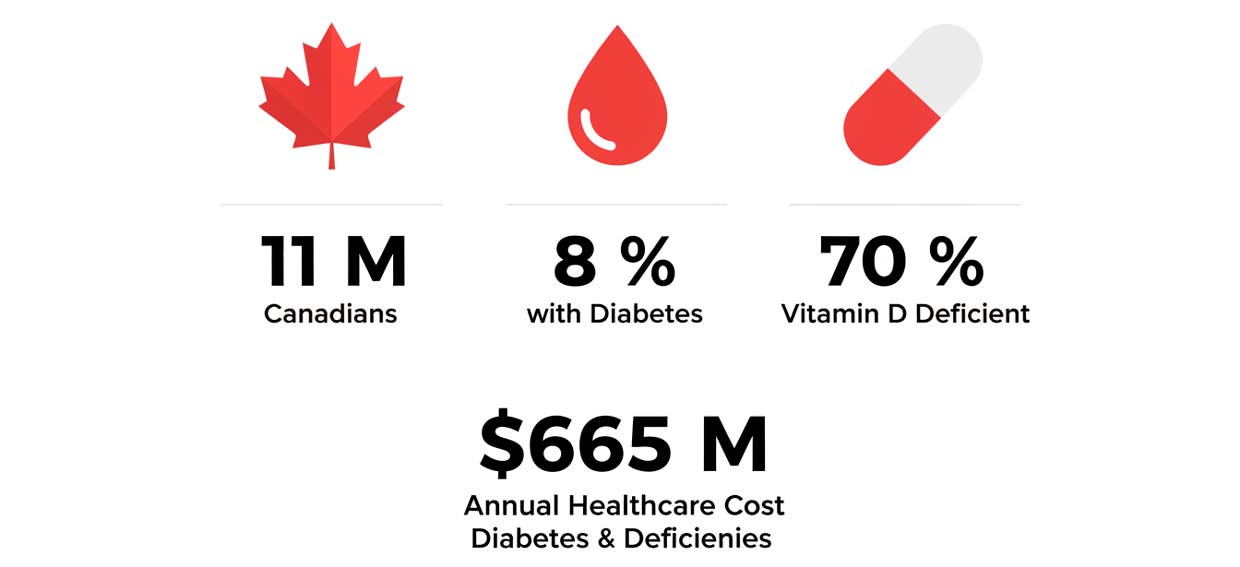
Key Canadian Statistics Worth Knowing
A few data points helped us understand why at-home monitoring is becoming more common:
Diabetes & Blood Sugar
11M+
Canadians have diabetes or prediabetes
1
Limb amputated every 3 hours due to diabetes
70%
Reduction in severe hypoglycemia with CGM devices
Vitamin D
8%
Clinically deficient in Vitamin D
2x
Deficiency doubles during winter
10%
Borderline Vitamin D levels
12%
Teens with low Vitamin D levels
13%
Young adults with low levels
4x
Less likely to have low levels with supplements
Device Safety
✓
Only Class II+ devices listed in MDALL are legal for sale
!
Check device identifiers to avoid unsafe or unlicensed products
Market Trends
$665M
Vitamin D market forecast by 2028
42%
North America’s share of market growth
Sources: Statistics Canada (CHMS), Health Canada (MDALL), Diabetes Canada, Technavio
Disclaimer: This article is for informational purposes only. We are not affiliated with MediSure or any other medical device manufacturer, domain owners, pharmacies, or Health Canada programs. All product categories mentioned are discussed solely to help readers understand common tools available in Canada. Always consult a qualified health-care professional before making medical decisions.